



 9
9
 23 3
23 3 3
3 10 11
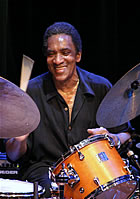
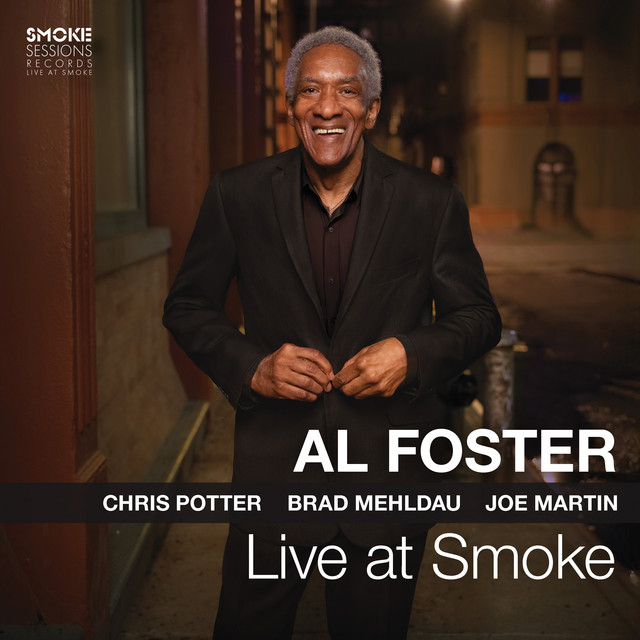
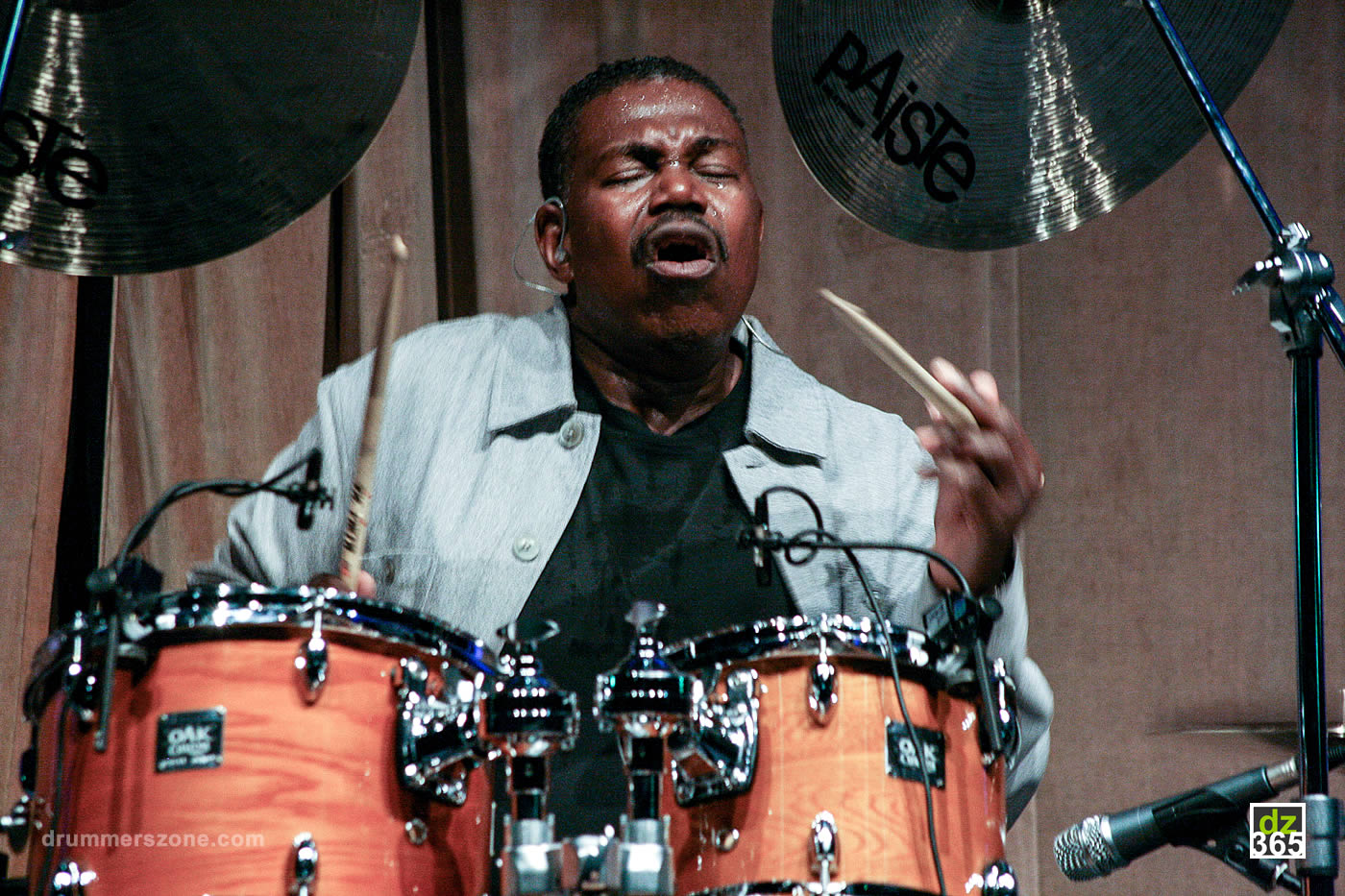
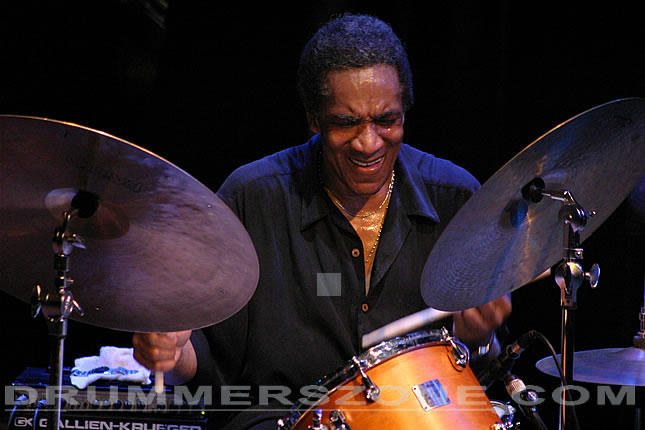
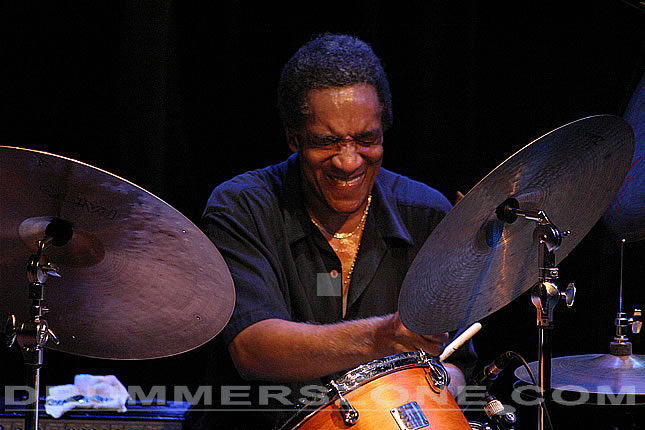
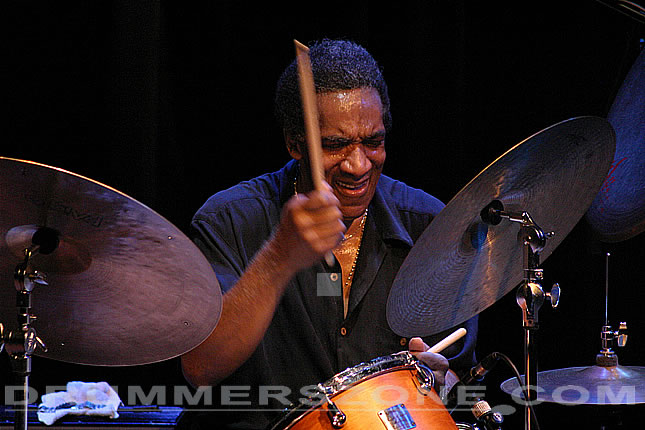
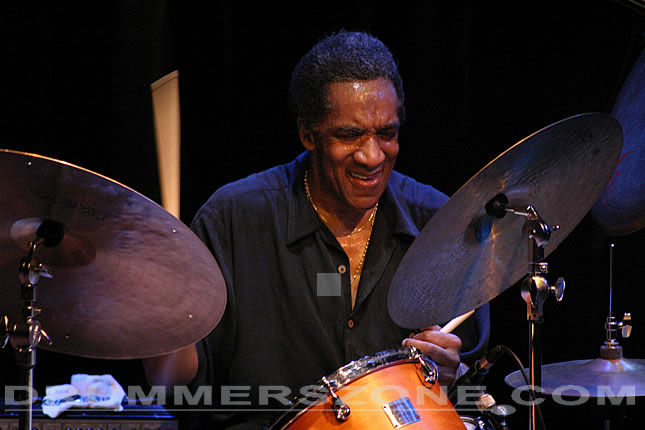
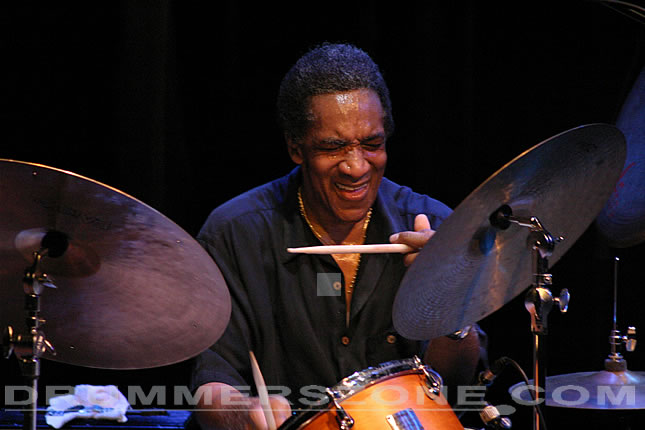
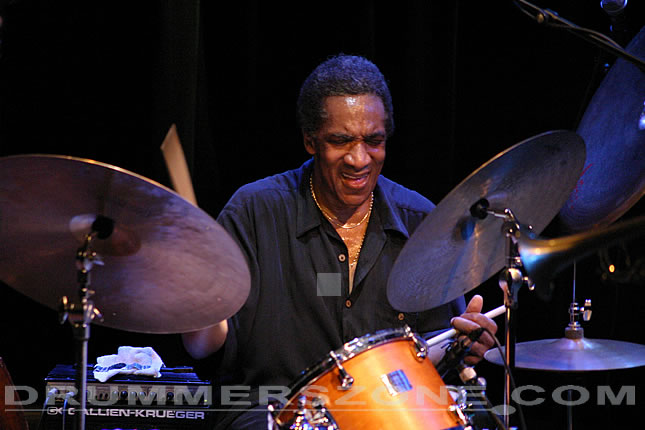
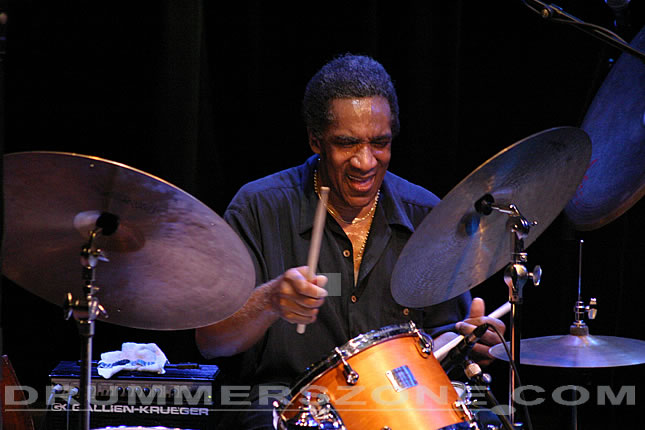
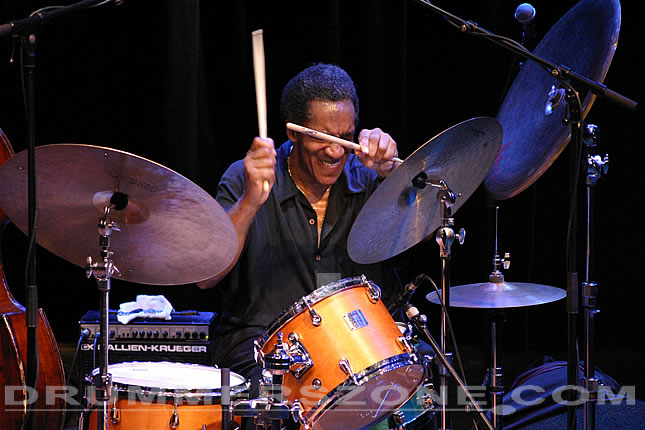
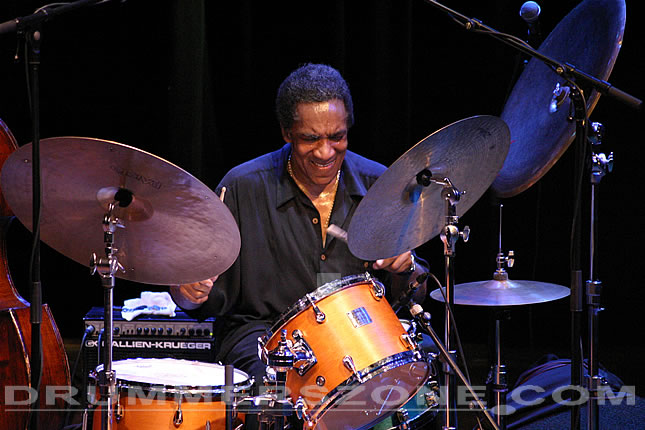
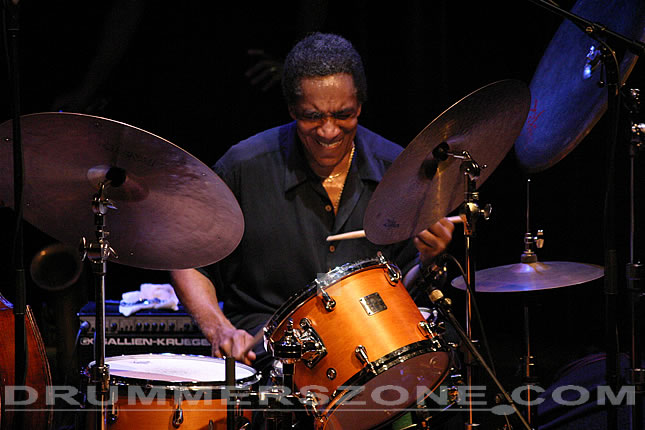
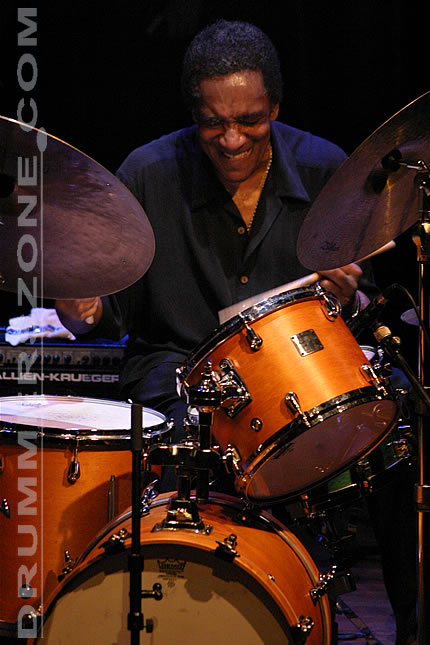
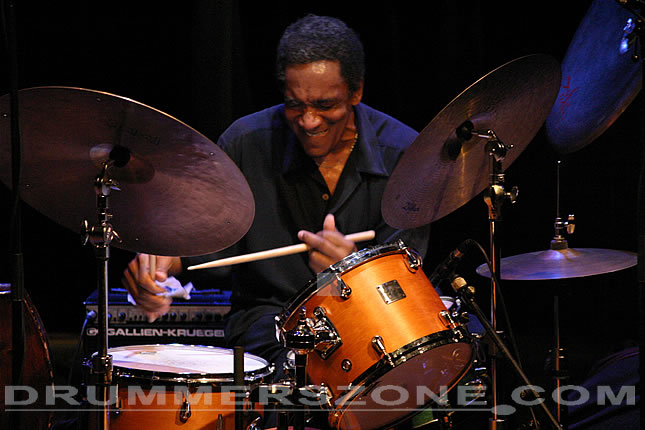
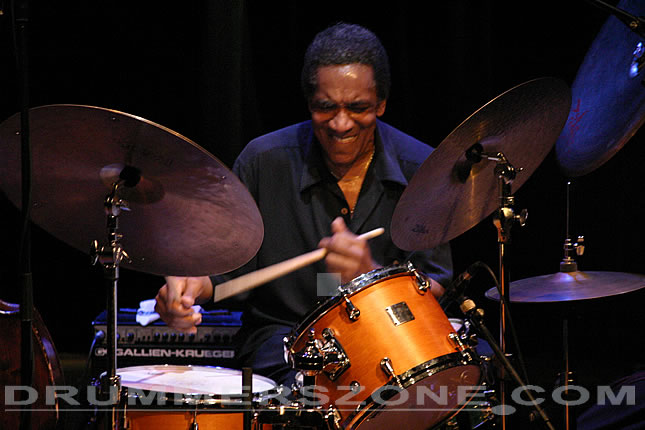
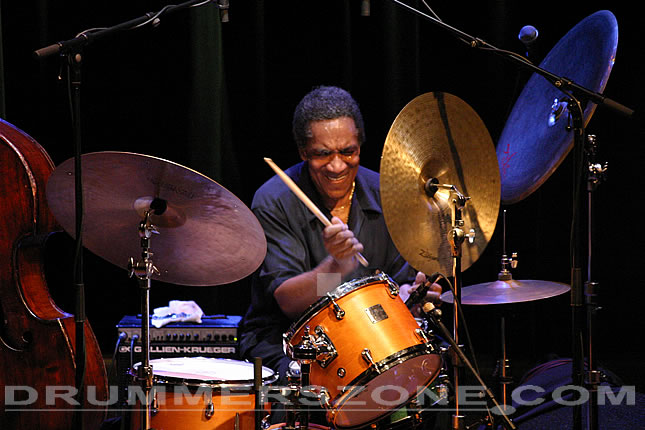
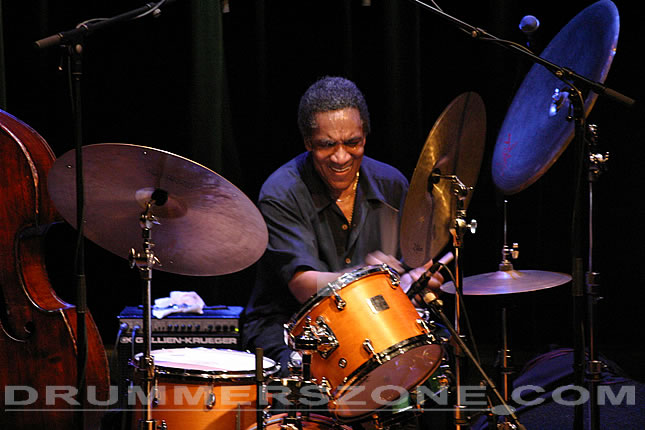
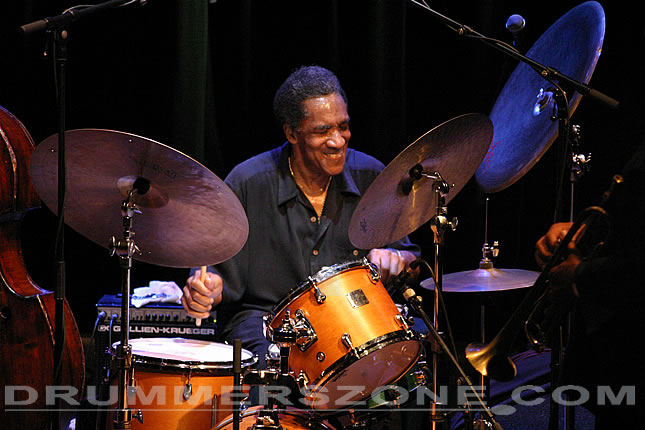
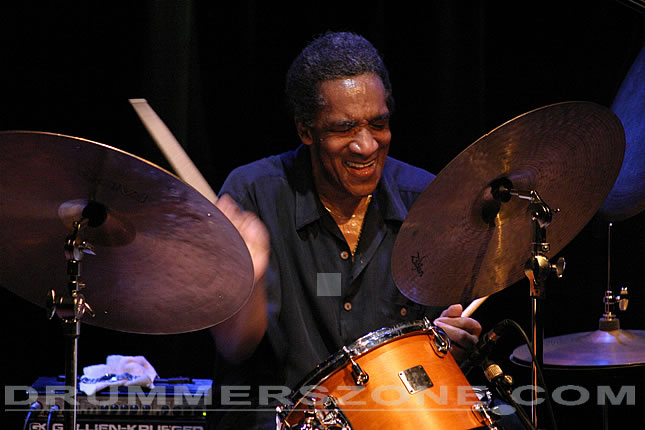
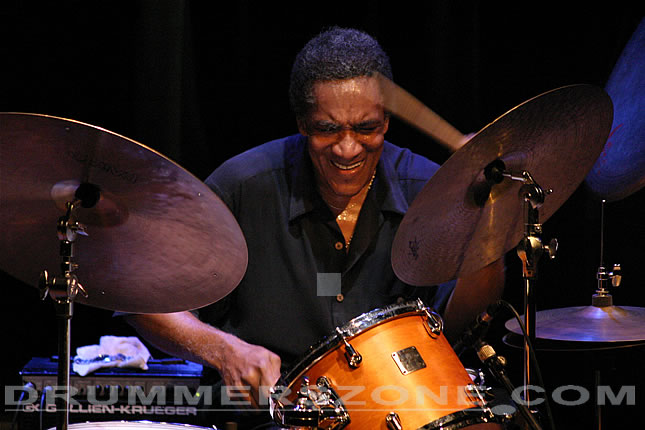
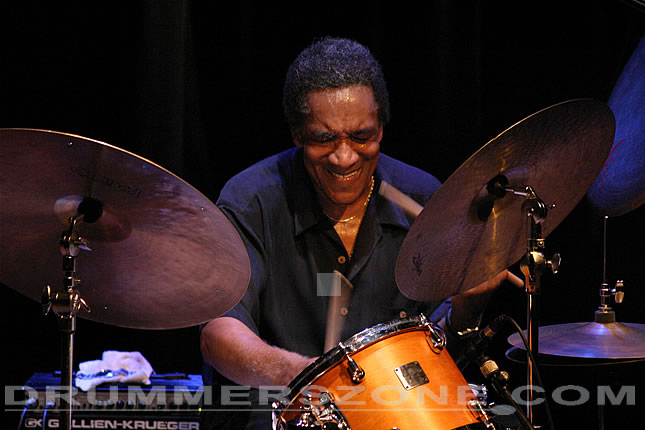
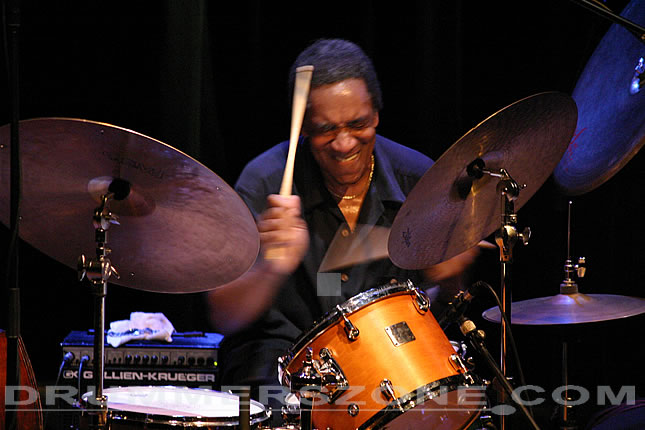
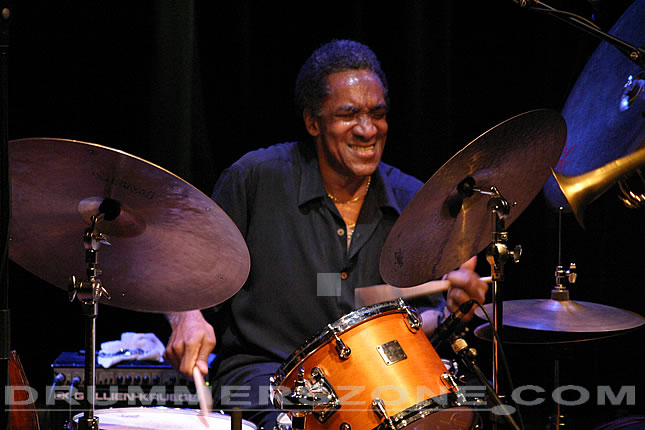
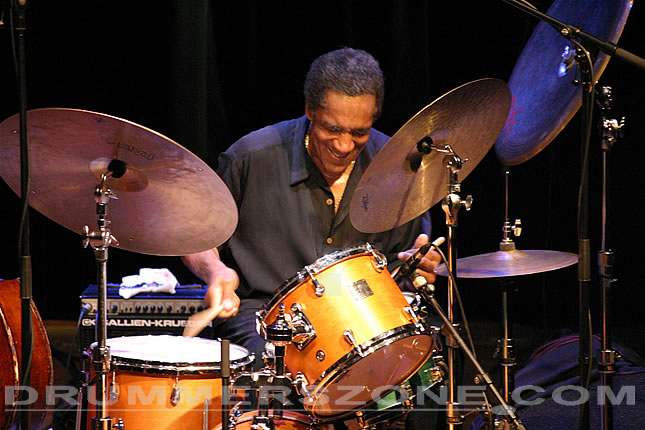
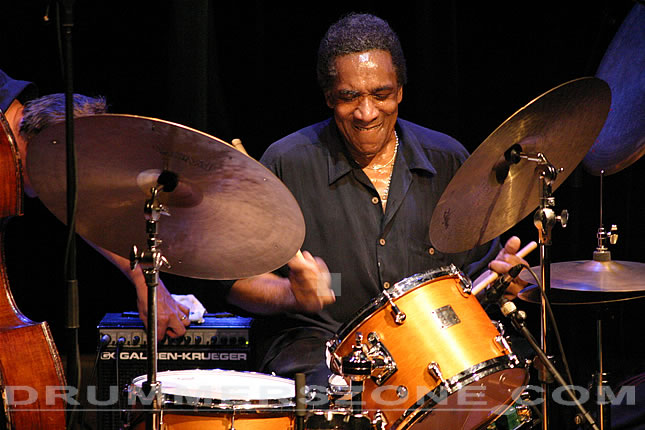
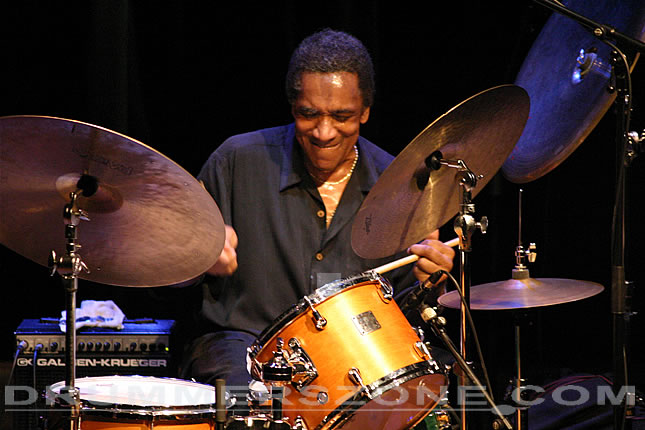
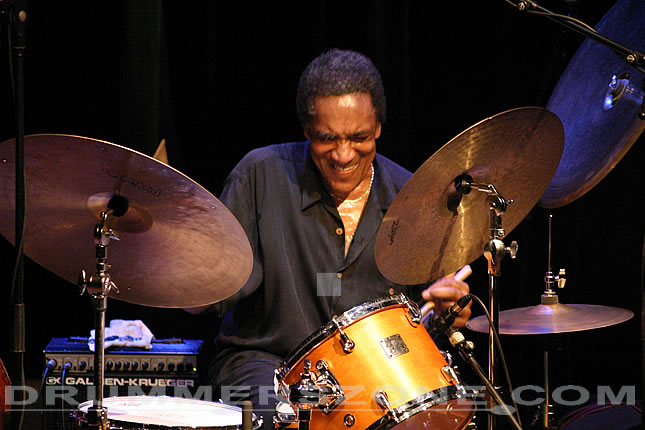
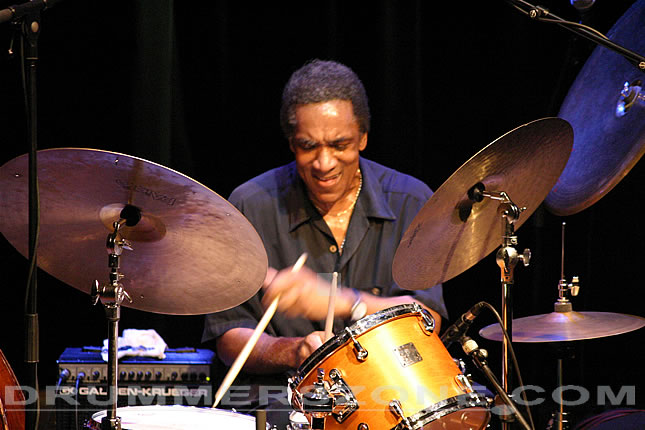
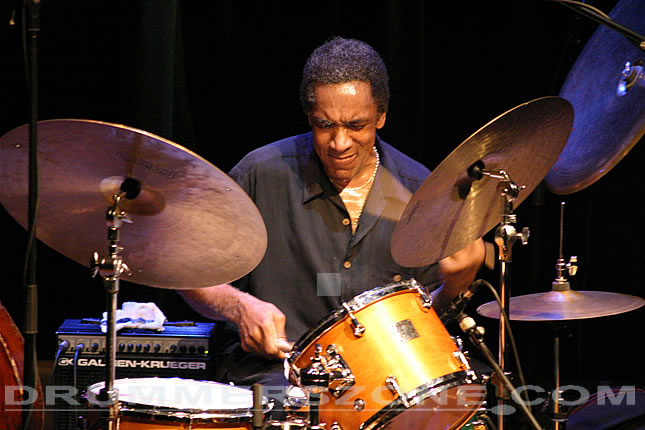
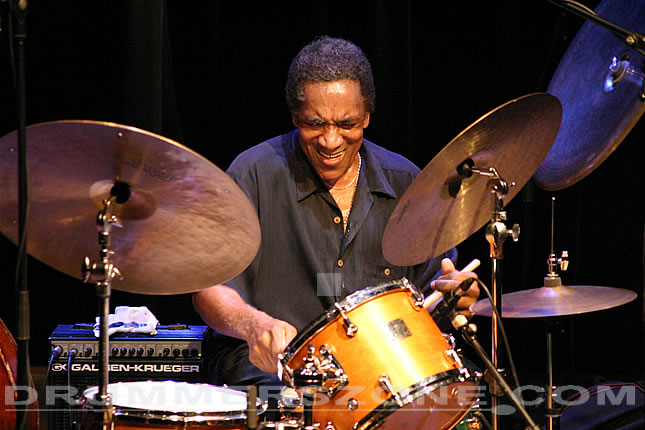
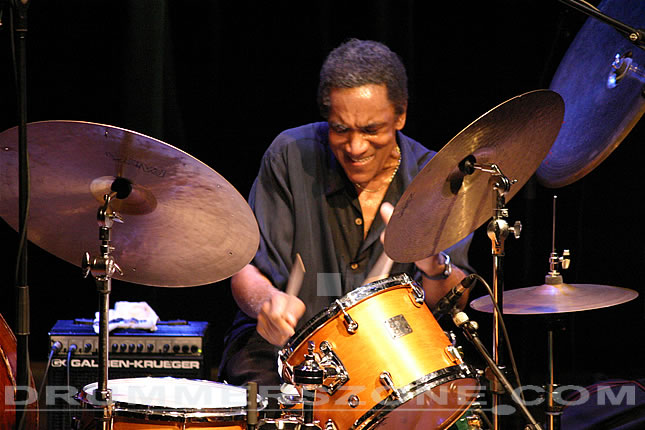
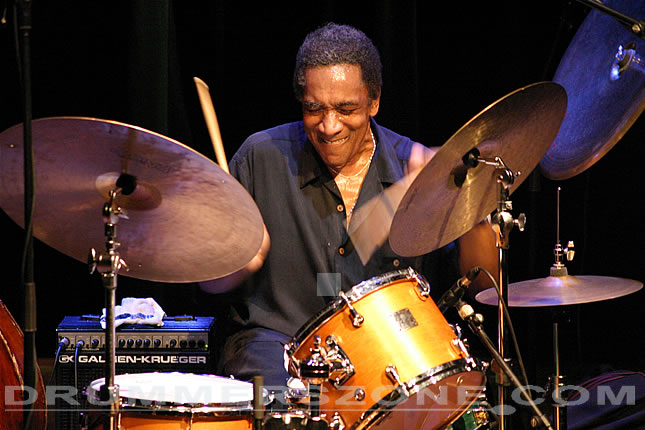
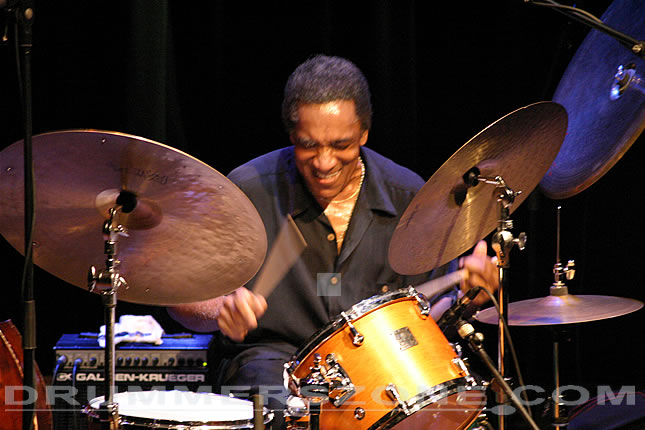
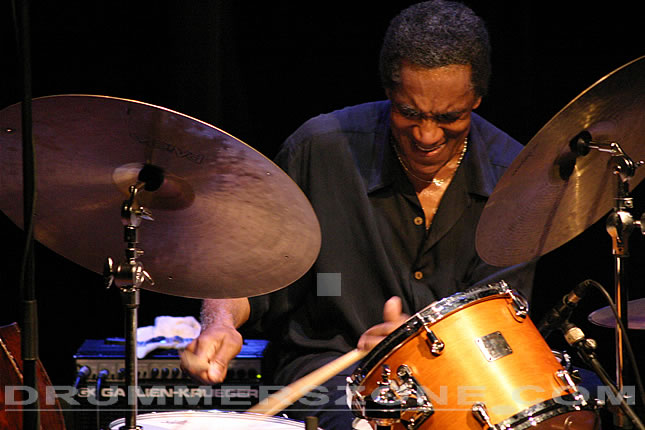
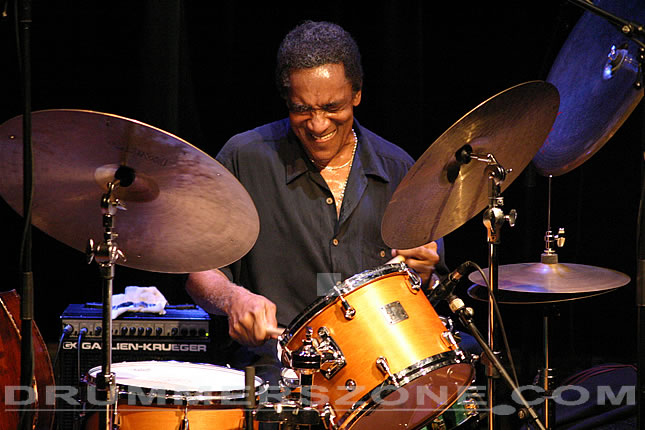
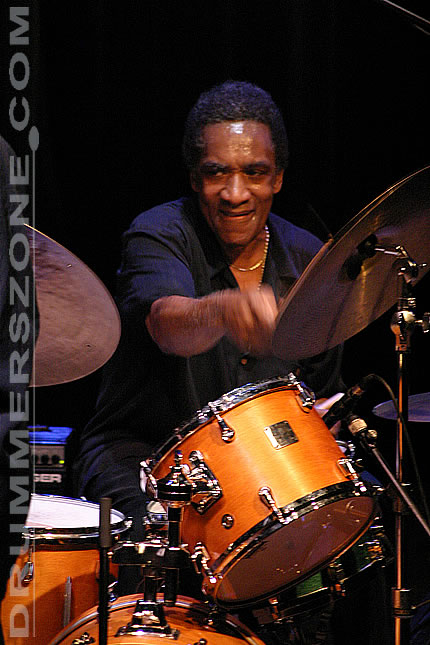
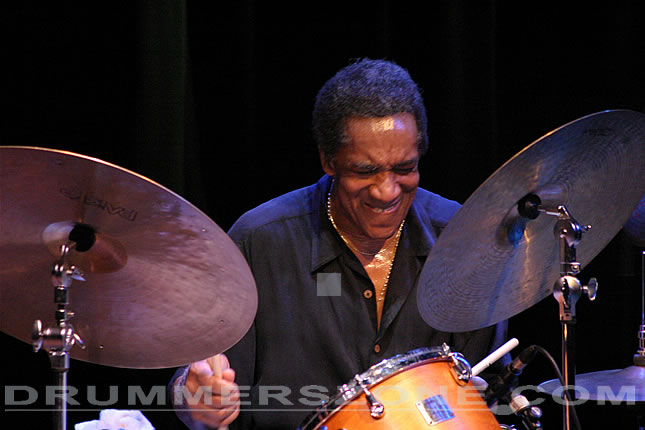
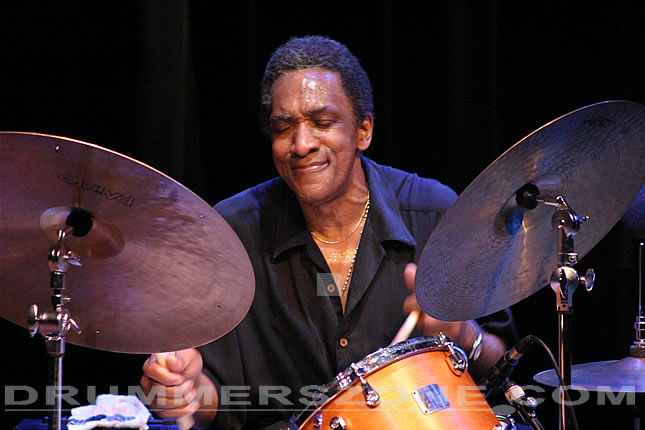
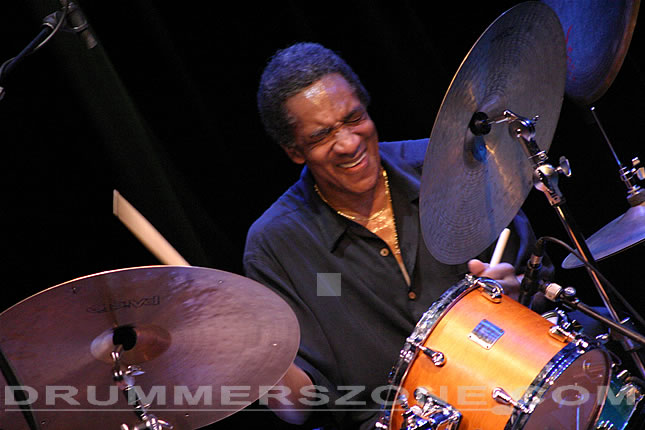
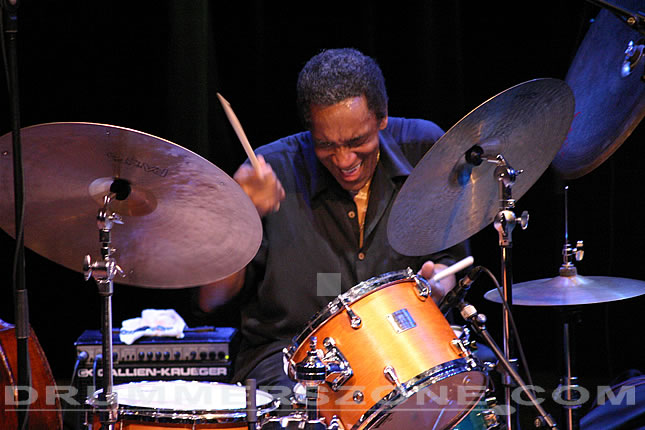
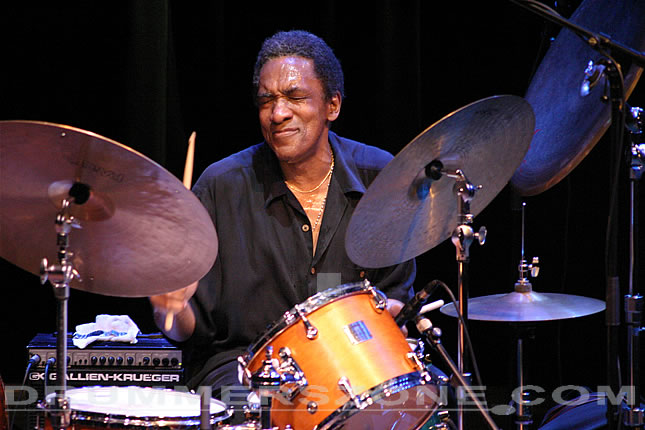
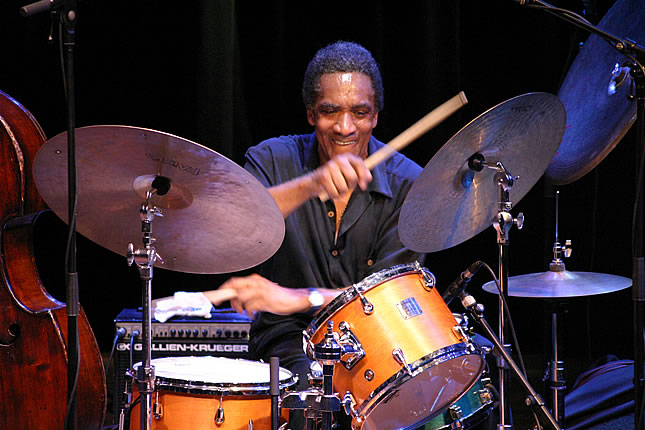
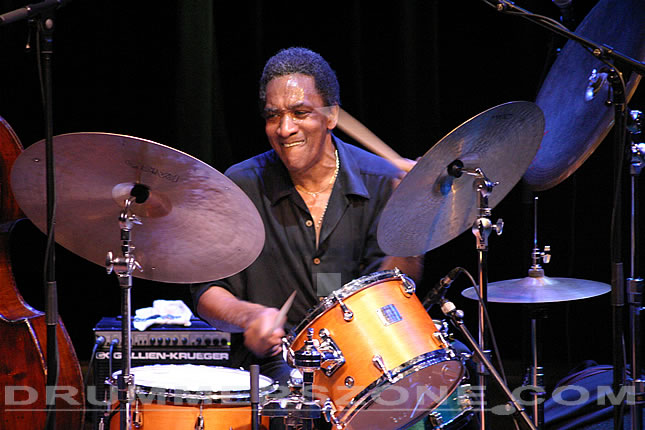
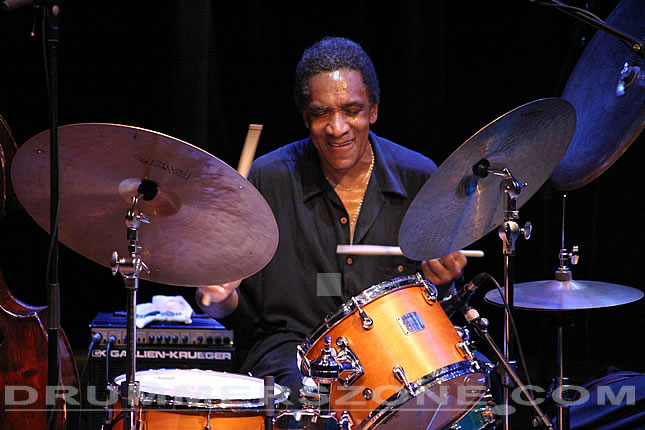
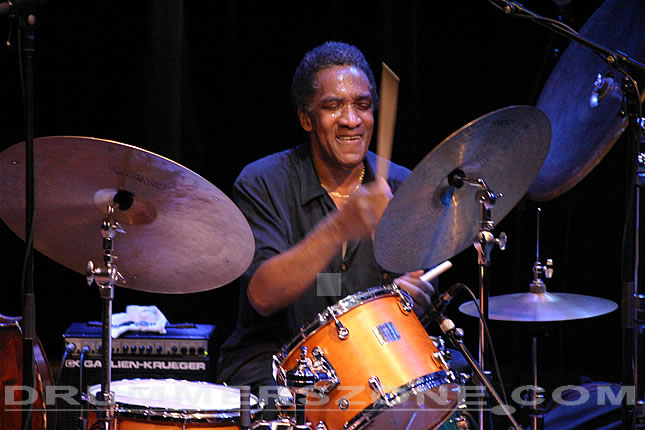
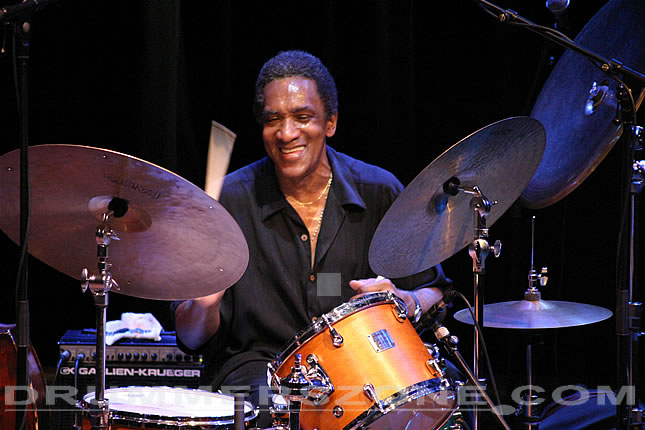
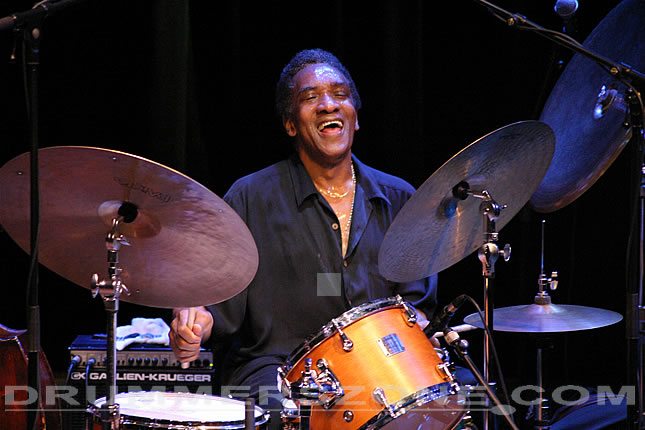
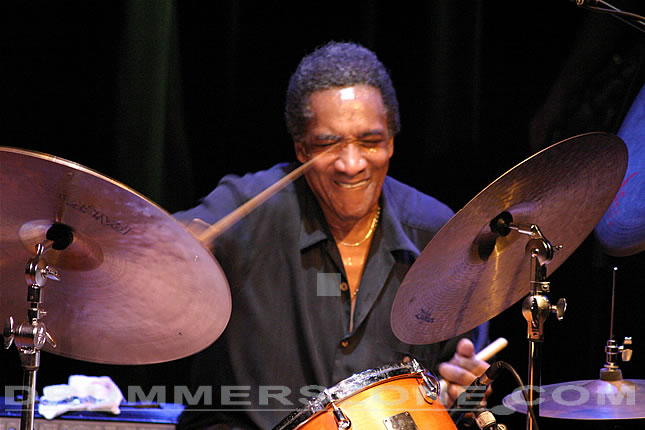
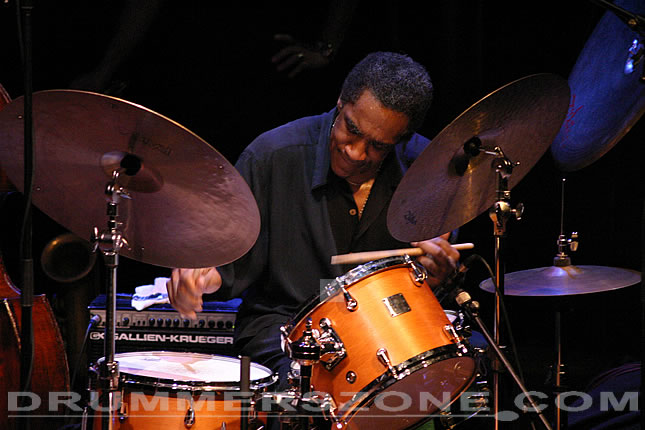
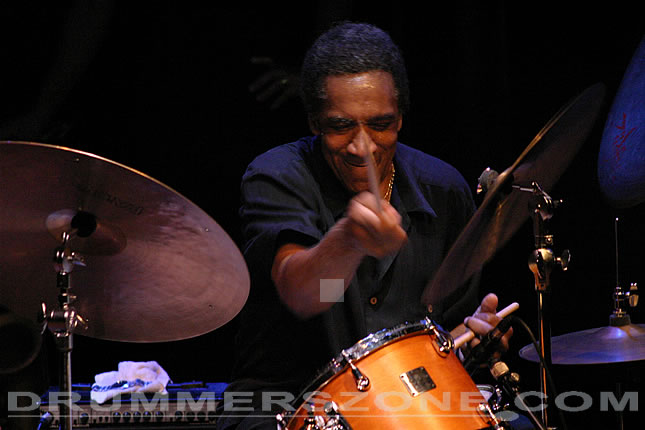
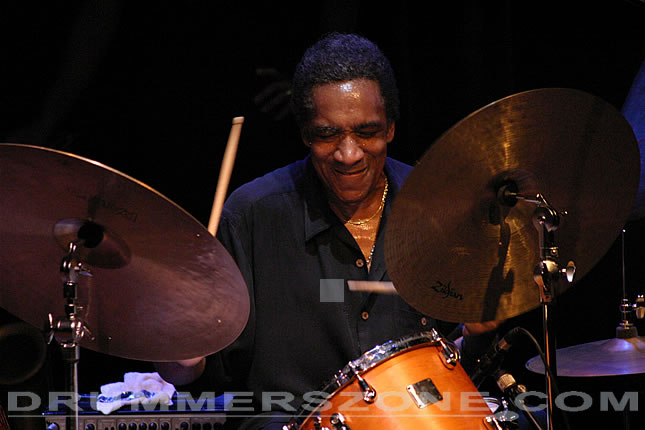
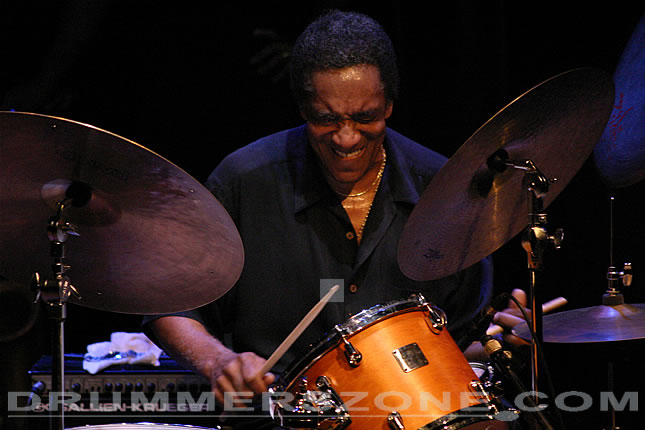
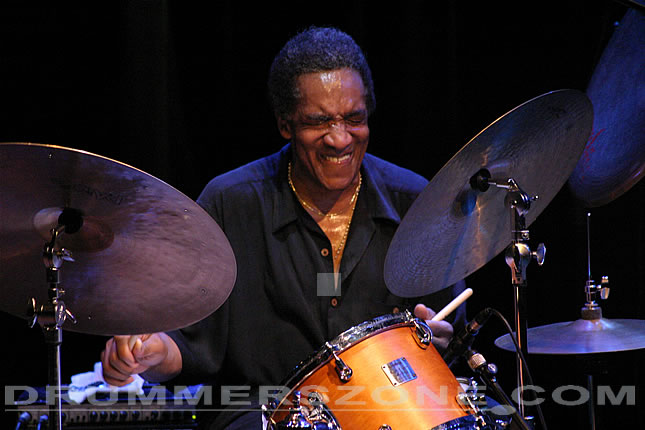
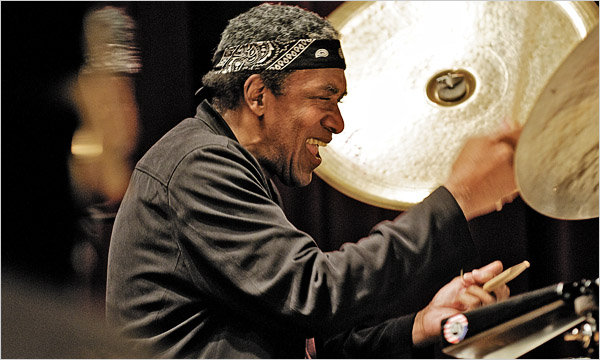
10 11Al “Aloysius Tyrone” Foster, often affectionately called Al, Chief, or the New York Flash, is one of the most respected, versatile, and enduring drummers in the history of modern jazz. Over the course of six decades, he has established himself not only as a rhythmic innovator but also as a musician of remarkable sensitivity, admired for his ability to merge power with subtlety, groove with freedom, and discipline with imagination.
Born in Richmond, Virginia, on January 18, 1943, and raised in New York City, Foster was immersed in music from an early age. His fascination with rhythm quickly developed into a deep love for the drums, and by his teenage years he was already making his mark on the New York jazz scene. Unlike many drummers whose approach emphasized sheer technical display, Foster developed a style that prioritized listening and responding—an instinctive form of musical communication that would become his lifelong hallmark.
Al Foster’s professional recording debut came in 1964, when, at the age of 19, he appeared on trumpeter Blue Mitchell’s album The Thing to Do (Blue Note 84178). The record, which also featured a young Chick Corea in his first studio session, showcased Foster’s extraordinary maturity. Even at that young age, his drumming revealed a depth of groove and a keen sense of balance that set him apart. From that moment forward, Foster’s reputation began to grow rapidly, and he soon became a fixture in the clubs of New York.
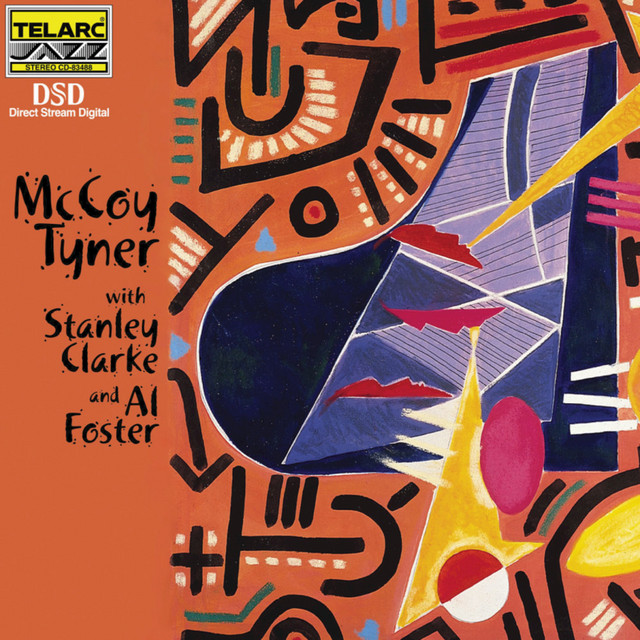
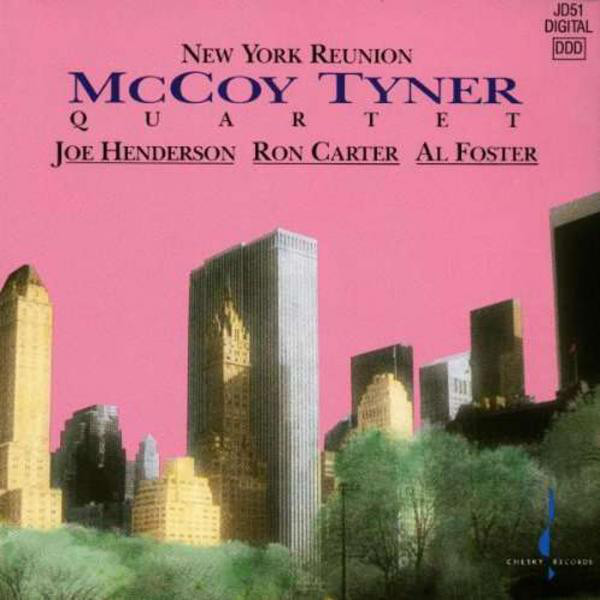
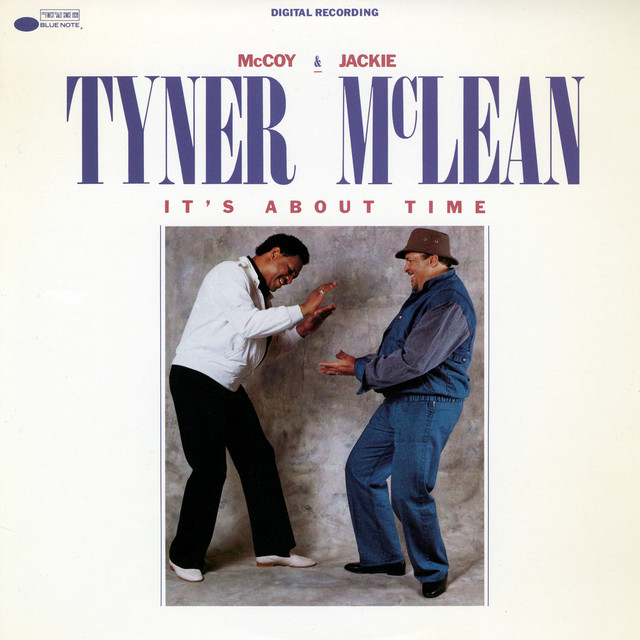
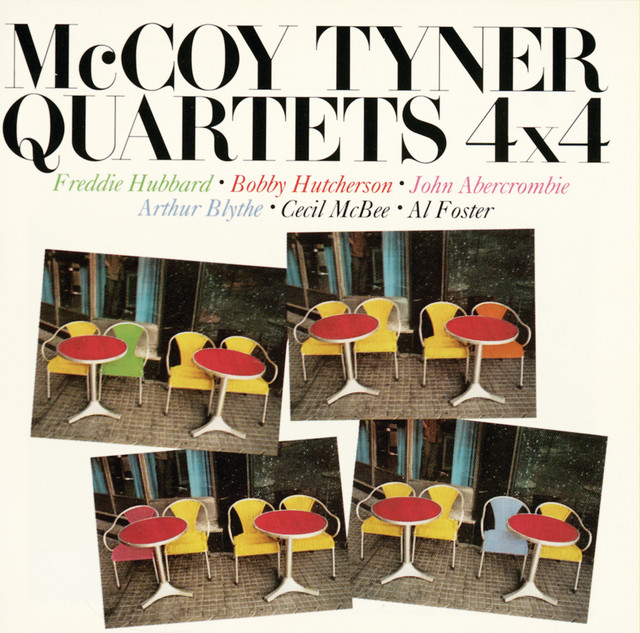
During the 1960s and early 1970s, Foster played with a wide range of artists, including Thelonious Monk, Sonny Rollins, Freddie Hubbard, McCoy Tyner, Stan Getz, and Dexter Gordon. His adaptability allowed him to move fluidly between straight-ahead swing, modal jazz, and more experimental settings. While many drummers specialized in one niche, Foster demonstrated early on that he could master bebop, free form, fusion, and even elements of rock, all while maintaining his personal identity on the kit.
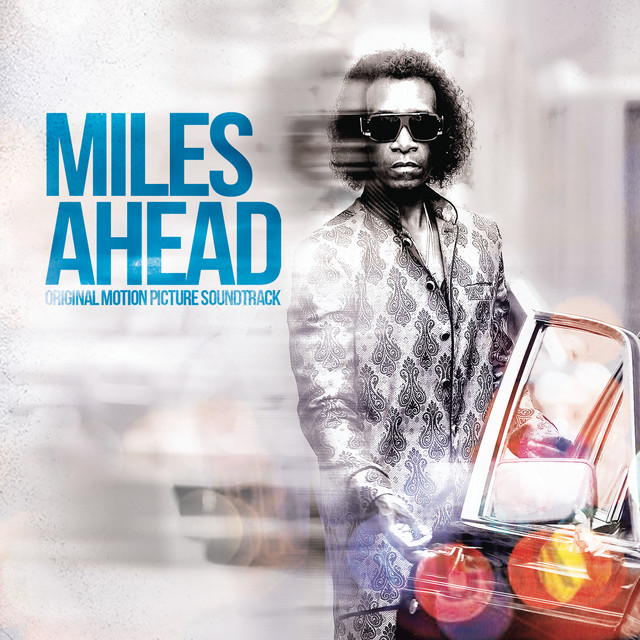
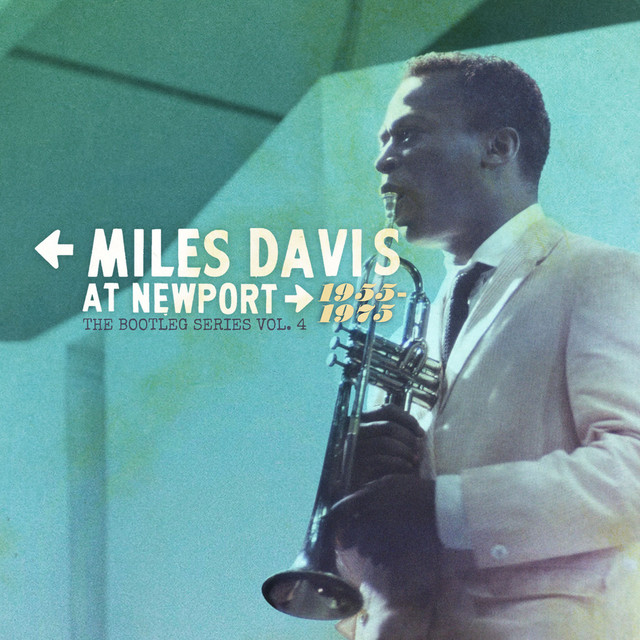
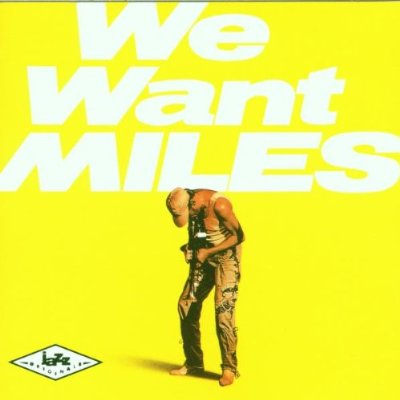
Foster’s career took a dramatic turn in 1972, when he was invited to join the band of the legendary Miles Davis. At the time, Davis was undergoing one of his most experimental phases, fusing jazz with rock, funk, and electronic elements. Finding a drummer who could both anchor the groove and adapt to the constant flux of the music was no easy task. Davis found what he was looking for in Foster.
In his 1989 autobiography Miles: The Autobiography, Davis vividly recalled the first time he heard Foster at the Cellar Club on 95th Street in Manhattan:
“He [Foster] knocked me out because he had such a groove and he would just lay it right in there. That was the kind of thing I was looking for. Al could set it up for everybody else to play off and just keep the groove going forever.”
Foster became the only drummer to play with Davis consistently during Davis’s electric years of the 1970s, and he remained a key member of Davis’s ensembles until 1985. His tenure lasted thirteen years—longer than any other drummer in Davis’s storied career. During this time, Foster performed on albums and tours that redefined jazz for a new generation. Whether in expansive fusion jams or more intimate acoustic settings, his drumming provided the glue that held Davis’s constantly evolving music together.
Beyond his central role with Miles Davis, Foster’s résumé reads like a who’s who of modern jazz. He has performed and recorded with an astonishing range of musicians, including Joe Henderson, Wayne Shorter, Bobby Hutcherson, John Scofield, Pat Metheny, Charlie Haden, Randy and Michael Brecker, George Benson, Kenny Drew, Carmen McRae, Toots Thielemans, and Chick Corea.
Foster was also deeply associated with Herbie Hancock, Sonny Rollins, and Joe Henderson, with whom he toured extensively. In each case, Foster was not just a sideman but a central part of the group dynamic—an attraction in his own right. Audiences flocked not only to see the stars at the front of the stage but also to witness Foster’s rhythmic mastery at the back.
What made Foster stand out was not only his technical command but also his extraordinary musical empathy. He became renowned for what critics often described as an almost telepathic ability to listen and respond. His drumming never overwhelmed but instead elevated those around him, pushing soloists to new heights while keeping the entire ensemble grounded in groove.
Respected and admired for his keen sensitivity, Foster is known for a style that is both charismatic and understated. His drumming often conveys the paradoxical combination of power and restraint, of forward motion and space. He has always been a believer in the purity of the music, resisting commercial compromises and instead committing himself to preserving and advancing the highest standards of jazz.
Foster’s versatility has allowed him to thrive across genres. From bebop to modal jazz, from avant-garde free form to jazz-rock fusion, his rhythmic vocabulary is vast. Yet no matter the style, Foster remains unmistakably himself—his ride cymbal patterns, his deep pocket grooves, and his ability to swing even the most complex rhythms make him one of the most distinctive drummers in the music.
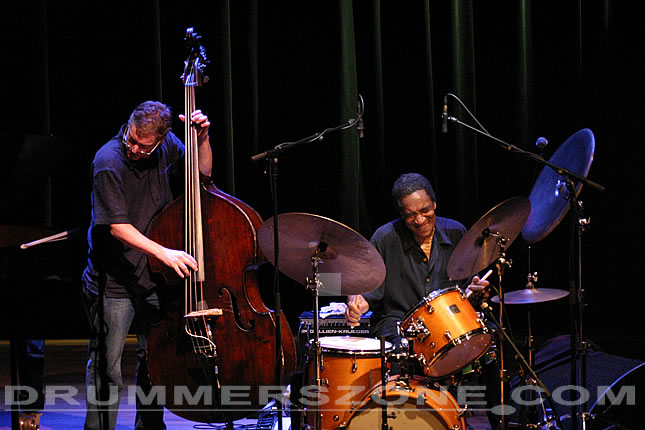
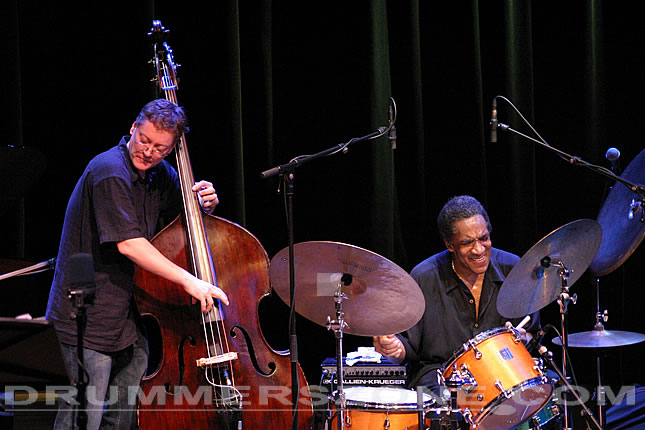
In the 1990s, after decades of supporting the world’s greatest jazz musicians, Foster increasingly turned toward leading his own ensembles. His bands often featured younger talents, reflecting his belief in nurturing the next generation of jazz musicians. In 1996, bassist Doug Weiss joined his group. Foster has spoken glowingly of Weiss, remarking:
“Doug is my main man, the straw boss, keeps me together. He is just about my favorite bass player. I love his big walkin’ sound!”
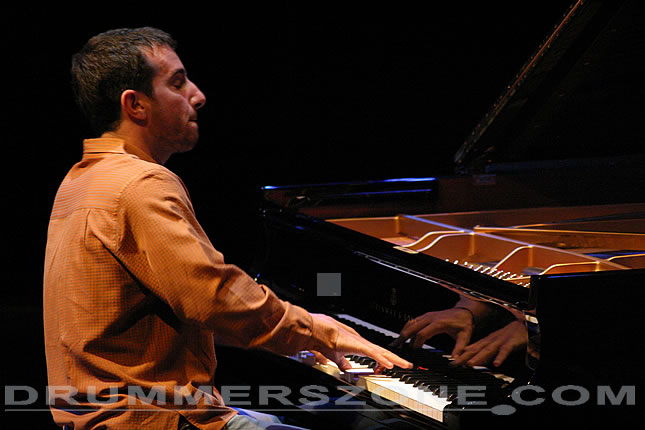
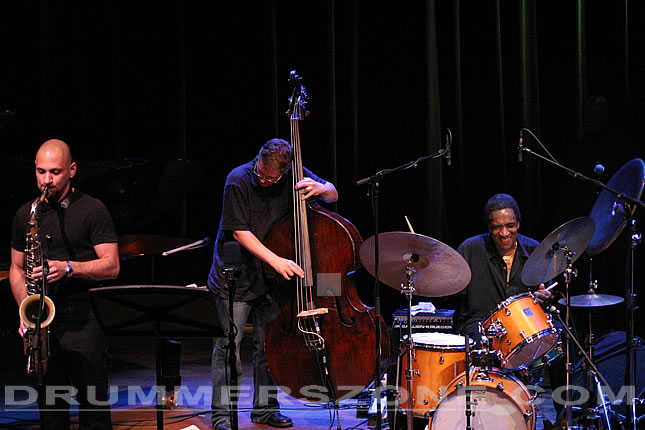
Later additions included pianist Kevin Hays, who joined in 1999 after Aaron Goldberg left, and saxophonist Eli Degibri, who had previously worked with Herbie Hancock. Foster’s recordings as a leader demonstrate his wide-ranging interests while always remaining rooted in jazz tradition. Through these projects, he has shown not only his rhythmic brilliance but also his gifts as a bandleader and curator of musical talent.
Today, Al Foster is regarded as a master drummer whose contributions have shaped jazz across multiple eras. His thirteen years with Miles Davis alone would secure his place in history, but his work with countless other icons has made his influence even broader. Known for his humility, Foster has never sought the spotlight for its own sake. Instead, he has devoted himself to serving the music, ensuring that every performance reflects honesty, creativity, and respect for the tradition.
As both a sideman and bandleader, he continues to inspire fellow musicians and audiences worldwide. His rhythmic voice remains one of the most original in jazz—a voice that embodies the genre’s past, present, and future.
From his first recording with Blue Mitchell at age nineteen to his decades of collaboration with the greatest names in jazz, Aloysius Tyrone “Al” Foster has lived a life in rhythm. Whether anchoring the bold experiments of Miles Davis, supporting the lyrical flights of Sonny Rollins, or leading his own groups with deep commitment, Foster has shown that the role of a drummer is not simply to keep time but to shape the very character of the music itself.
Respected as a musician’s musician, admired for his artistry and integrity, Foster stands as one of the great jazz drummers of all time—a master who continues to preserve, perpetuate, and reinvent the highest standards of jazz.

YouTube




 Max Roach